


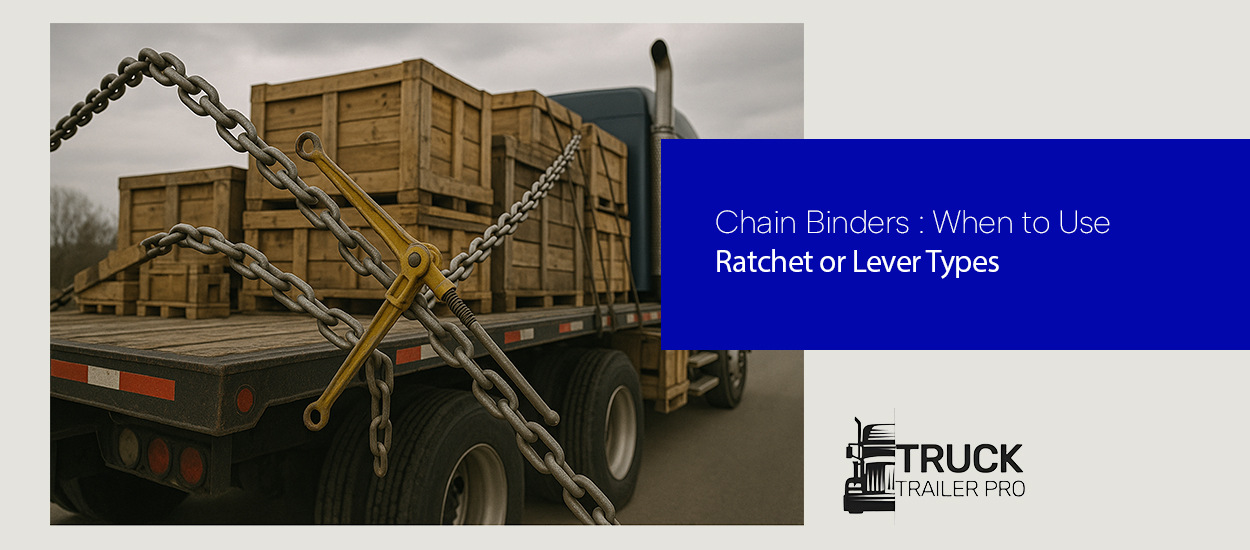
In the world of heavy-duty transportation, securing loads is a fundamental task that ensures safety and compliance with regulations. Chain binders are the go-to tools for this, offering a reliable means of applying tension to secure cargo during transit. Among the various types available, ratchet binders and lever binders are the most commonly used. Each serves the same purpose but operates in different ways, making them suited to different applications. Understanding when to use each type will help you secure your loads more effectively and efficiently.
What Are Chain Binders and Why Are They Important?
Chain binders are mechanical tools designed to apply tension to a chain, thus holding down a load to prevent it from shifting during transportation. Whether you’re hauling construction materials, machinery, or other large items, ensuring the cargo remains in place is critical to avoid accidents and damage. These binders are especially important in industries such as trucking, construction, and logistics, where heavy loads are regularly transported.
The primary type of chain binder, whether a ratchet binder or a lever binder, serves the purpose of securing cargo but operates using distinct mechanisms. Their difference in functionality can significantly impact how well they suit particular jobs, so choosing the correct one is crucial.

What Are the Key Differences Between Ratchet and Lever Chain Binders?
The primary distinction between ratchet binders and lever binders lies in their operation and the level of tension they provide.
- Lever Binders: In contrast, a lever binder uses a lever arm to apply tension quickly. This method is more efficient when securing loads that don’t require fine adjustments. Lever binders are faster to use, making them suitable for scenarios where time is a concern. However, they don’t offer the same level of tension control as ratchet binders, which may be a disadvantage for more sensitive loads.
- Ratchet Binders: A ratchet binder operates via a ratcheting mechanism that allows gradual tightening of the chain. This type of binder offers precise control over the amount of tension applied, which can be crucial when securing delicate loads or when a high level of control is needed to prevent over-tightening. The ratchet binder is ideal for situations where fine-tuning is required.
In summary, while ratchet binders allow for controlled, gradual tightening, lever binders prioritize speed and efficiency.
How Do You Choose the Right Chain Binder for Your Load?
Selecting the right type of chain binder depends on a variety of factors, including the nature of the load and the operational environment.
- Load Size and Type: For a heavy load, a ratchet binder offers better control and precise tension adjustment. For a lighter load, a lever binder provides a faster and equally effective solution
- Precision vs Speed: If fine-tuning the chain’s tightness is necessary, a ratchet binder is ideal. However, if speed is the priority and the load can tolerate less precision, a lever binder will save time.
- Working Conditions:In tough outdoor conditions, especially wet or muddy environments, a ratchet binder is more reliable. For controlled and easy-access environments, a lever binder offers a quick and efficient solution.
What Safety Precautions Should You Take When Using Chain Binders?
While chain binders are invaluable tools for securing loads, they must be used with caution to ensure safety.
- Inspect Equipment Regularly: Before every use, check the condition of your chain binder and chains. Look for signs of wear, rust, or cracks, which could compromise their performance. Damaged equipment should always be replaced.
- Proper Tightening: Ensure that the chain binder is applied with the correct tension. Tighten the chain just enough to secure the load, avoiding excessive force that could damage the binder, chain, or load. Over-tightening can also lead to injury.
- Protective Gear: Always wear the necessary personal protective equipment (PPE), including gloves and safety boots. This minimizes the risk of injury while handling heavy chains and binders.
- Positioning and Stability: Ensure the load is stable and well-positioned before tightening the binder. Never stand in the direct line of the chain or binder while securing.
Choosing the right chain binders depends on load sizes, precision, and working conditions. Always prioritize safety by inspecting your equipment and following proper usage guidelines. For top-quality binders and reliable load securing solutions, visit Truck Trailor, your trusted partner in transportation safety and equipment.


