


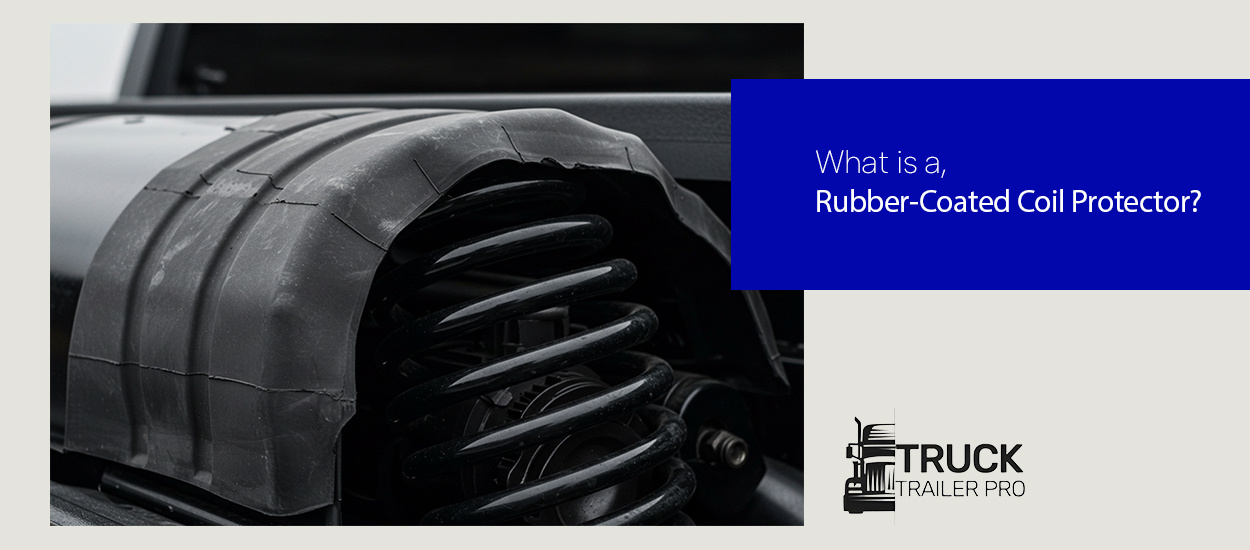
In industries dealing with heavy metals, understanding what is a coil? is essential. A coil is a tightly wound metal strip or wire, often made of steel or aluminum. Protecting these heavy, sharp-edged coils during transport is crucial to avoid damage and safety risks. A coil protector, featuring a durable metal protector core combined with a rubber coating, provides this vital protection. It cushions impacts, prevents abrasion, and enhances safety for workers and equipment. This makes the coil protector indispensable in modern metal handling and logistics.
How Does a Coil Protector Enhance Transport Safety?
Transporting metal coils is complex and potentially hazardous. The heavy mass combined with delicate edges creates significant safety challenges. A coil protector stabilizes the coil during loading, transit, and unloading. The rubber layer provides friction that prevents coil slippage caused by sudden movements or vibrations. Beneath this, the rigid metal protector withstands compressive forces, maintaining the coil’s form and preventing deformation. This dual action safeguards both the cargo and transport equipment.
Furthermore, the protector’s cushioning reduces the risk of injuries to workers handling the coils. Exposed sharp edges can cause serious cuts, but the rubber coating softens contact points. Vehicle surfaces are also preserved from scratches and dents, lowering repair costs. This improved safety record reduces downtime and liability for companies. Overall, using a coil protector aligns with transport regulations and industry best practices, fostering safer, more efficient logistics.
What Materials Are Used in Coil Protectors?
Material choice critically impacts a coil protector’s effectiveness. The core is typically a high-strength steel or alloy forming the metal protector. This metal resists deformation under heavy loads, providing a stable foundation. To this, manufacturers apply an industrial-grade rubber layer that offers elasticity and abrasion resistance. Rubber absorbs shocks from impacts and vibrations during transport, preventing damage to the coil edges.
Some manufacturers enhance durability by vulcanizing the rubber, which increases chemical resistance and longevity. This composite design balances rigidity and flexibility, essential for withstanding harsh shipping conditions. The coil protector is engineered to resist moisture, oils, and contaminants, ensuring reliable performance across varied environments. This combination not only protects the coil but also extends the protector’s service life, optimizing operational costs.

What are the Benefits of Metal Coil Protectors?
A metal protector provides excellent structural support for a coil edge. They maintain coil shape and prevent deformation during transit. This protects the coil’s surface, preserving its manufacturing quality. Metal protectors are resistant to bending and impact damage. When combined with rubber, they also reduce noise and vibration. These protectors protect transport vehicles from scratches and punctures. Their durability allows repeated use, lowering replacement costs. Furthermore, metal protectors facilitate safer and more efficient loading and unloading.
How to Install a Coil Protector Properly?
Correct installation is essential to maximize the benefits of a coil protector. First, it is important to understand what is a coil? to select a protector that matches the coil’s diameter and weight specifications. The metal protector must fit snugly around the coil’s edge without gaps, ensuring stability.
The rubber-coated side should face outward to absorb shocks effectively. Heavy-duty straps secure the coil and protector firmly in place, but they should not be overtightened to avoid damaging the rubber layer. Proper tension prevents coil movement during transit. Regular inspections of the protector’s condition before each transport are crucial; worn or cracked protectors must be replaced immediately to maintain safety standards.
Where is a Rubber-Coated Coil Protector Used?
Industries that handle heavy metal coils widely use coil protectors. Steel manufacturing plants apply them during coil storage and movement. Shipping companies use them to protect coils during freight transport. The automotive sector relies on these protectors for transporting metal parts safely. Ports and logistics centers utilize a metal protector extensively in loading and unloading. Wire and cable producers also benefit from their use in handling coils. Their rubber coating minimizes damage from rough handling and vibration.
Proper use of a coil protector ensures metal coils remain intact and transport is safer for everyone involved. Choosing the right metal protector with a durable rubber coating minimizes damage and increases efficiency. For high-quality coil protectors designed to meet industry standards, visit Truck Trailer Pro.


